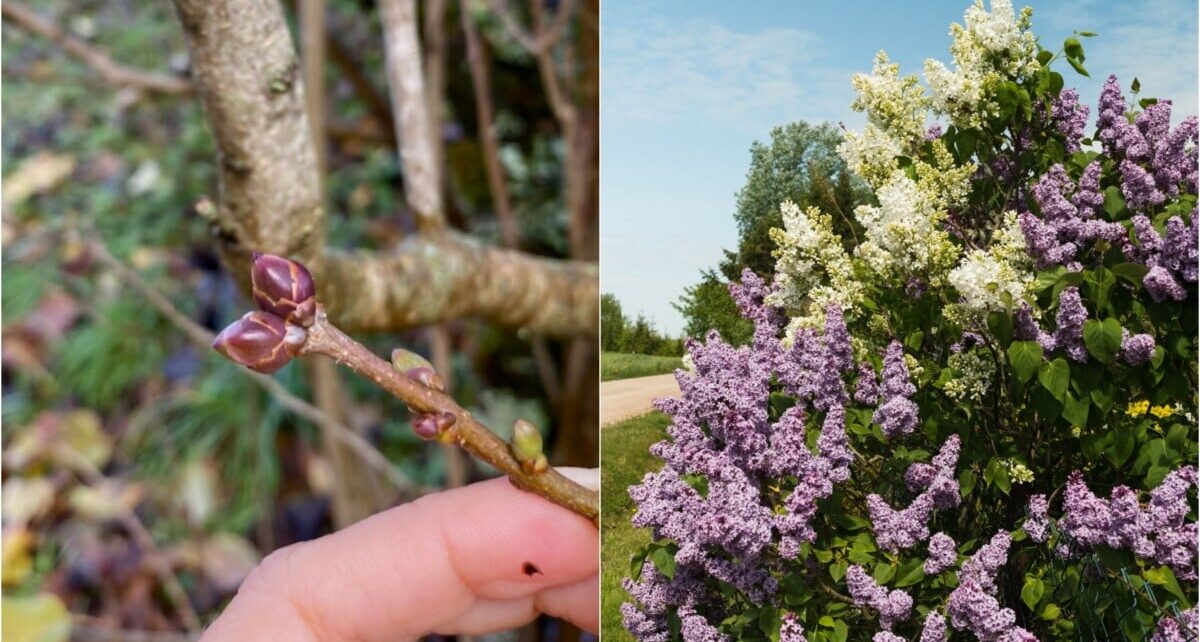
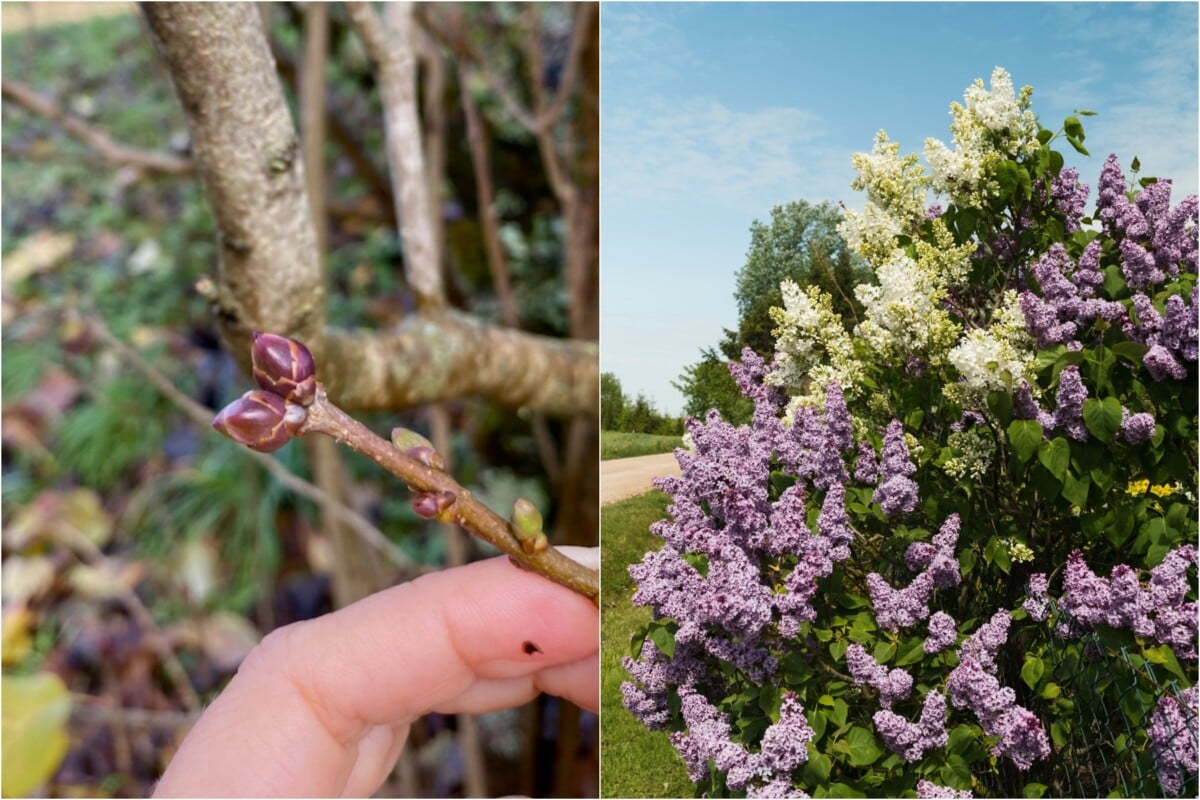
Despite writing for our Rural Sprout readers for a few years now and mentioning lilac in no fewer than six articles, it has just dawned on me that I haven’t published one single article dedicated entirely to this shrub (Latin name: Syringa vulgaris).
So far, I’ve only referred to it as part of a list. Part of an ensemble cast, if you will, but never the star of the show.
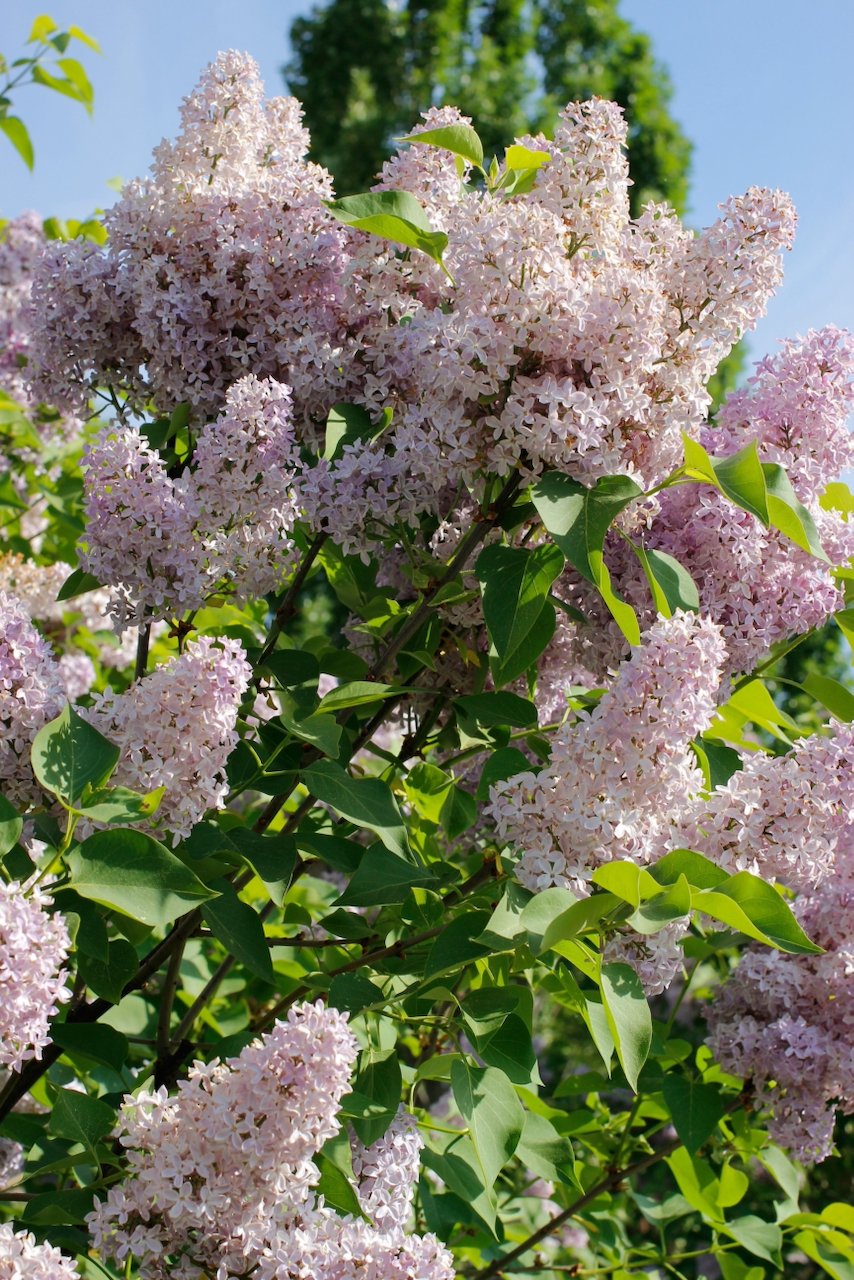
I think it’s high time I gave lilac the top billing and focus a little bit not just on its charm and versatility, but also on its peculiarities.
Here are a few things you should know about lilac that will help you grow vibrant and vigorous shrubs for years to come.
1. Despite lilac being a deciduous shrub, we don’t prune it when it’s dormant.
Let’s start with the most important tip on lilac care. We do not prune it when we would normally prune other deciduous shrubs.
Lilac features extensively in all of my lists of plants we shouldn’t prune in the fall or in winter.
Generally, before we prune any flowering shrub, we should always think about when it produces flowers. This will give us a hint of when the flower buds are formed, which, in turn, tells us when we’re supposed to prune it.
A good rule of thumb to remember is this:
Shrubs that bloom in the first half of the year will bloom on old wood. That means branches that have grown in the previous growing season will be the ones bearing the buds, which will open into flowers.
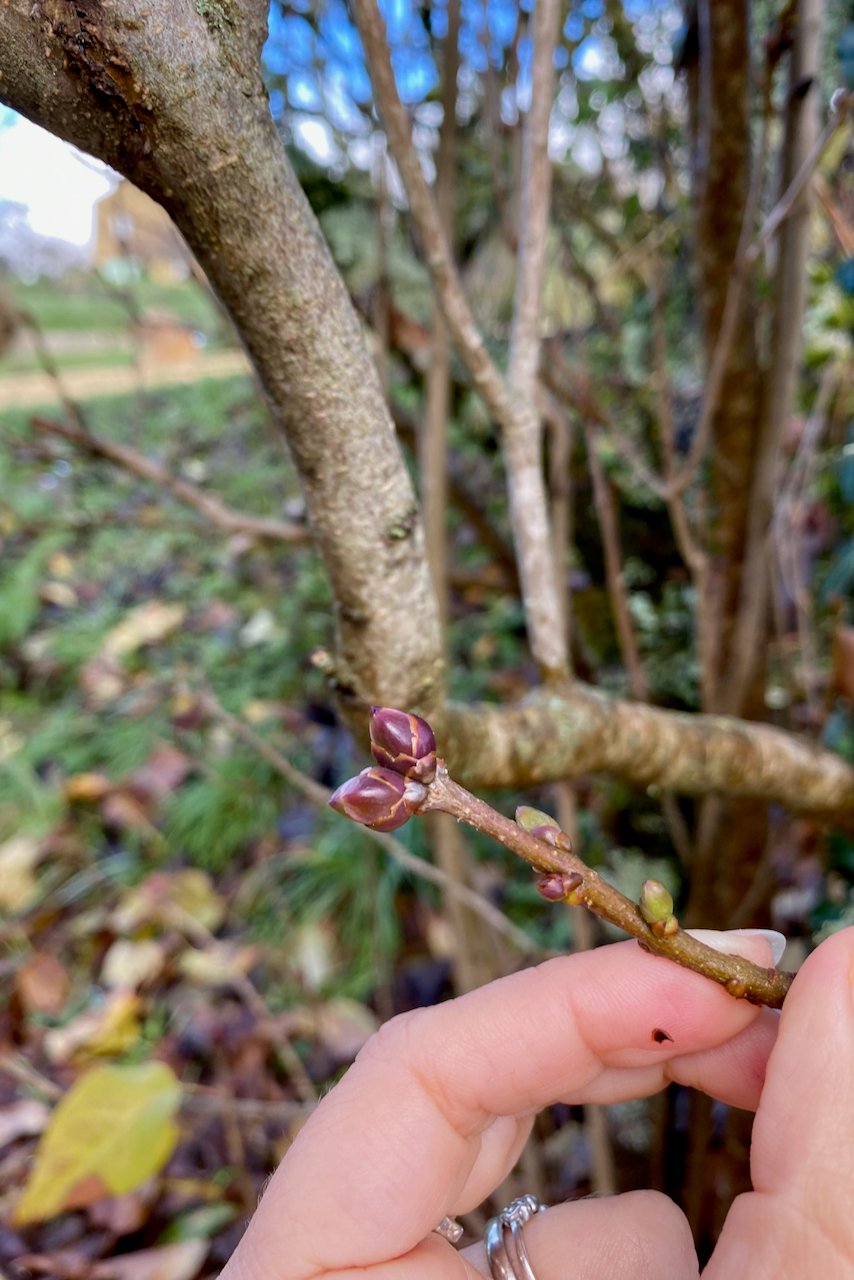
Other deciduous plants that follow this rule are old-wood hydrangeas (including the popular French hydrangeas), spring flowering clematis, forsythia, Japanese quince and daphne.
That’s why we’ll only prune lilac shrubs once they’re done flowering. Generally, in April or May, depending on the cultivar you’re growing and your gardening zone.
It’s equally important that we don’t procrastinate on pruning once the flowers have faded.
Lilacs start forming buds almost as soon as the flowers are done, so we have to get pruning right away. This will give the plant plenty of time to mature and form next spring’s flowering buds post-haircut.
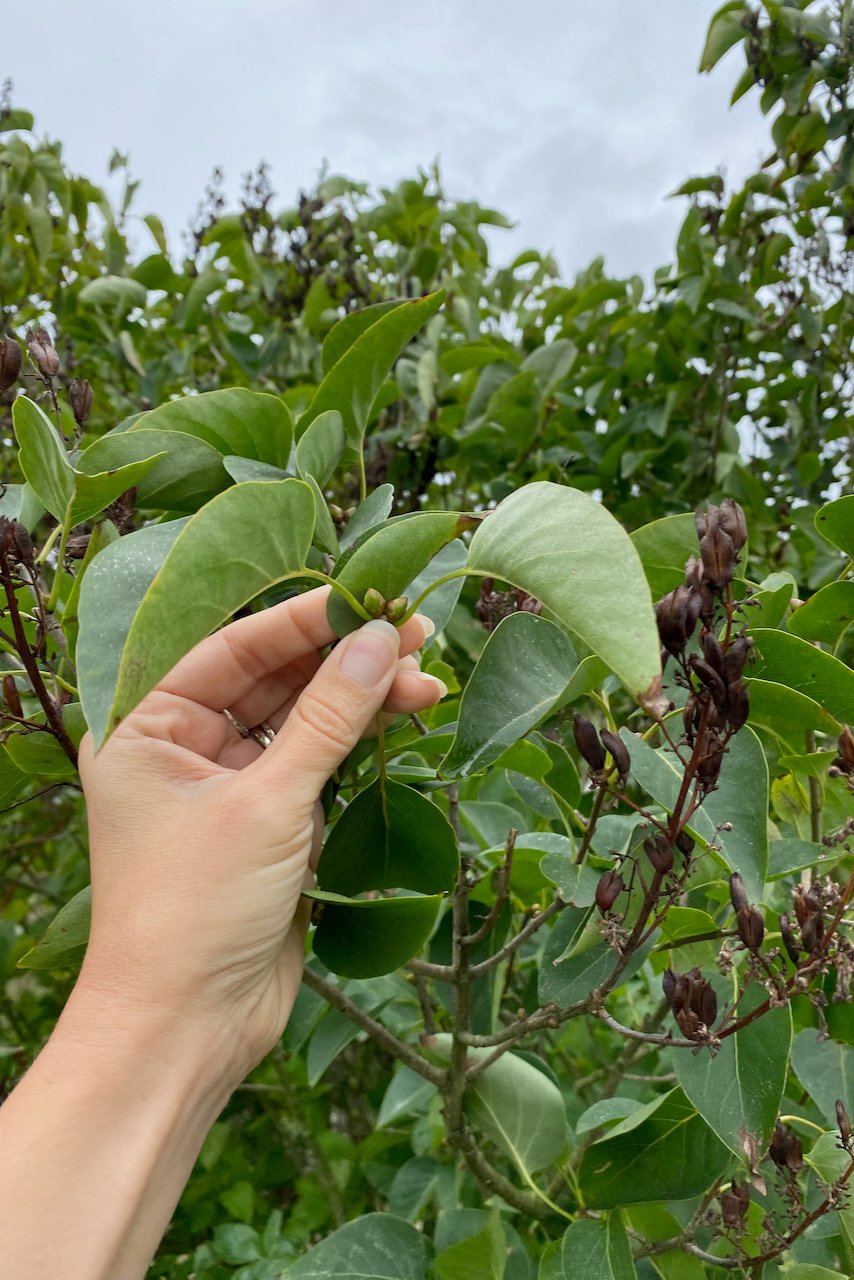
What happens if we prune lilacs in winter?
We won’t harm them, if that’s what you’re concerned about. In fact, it won’t even stunt its growth. But since we’re removing the buds, the lilac won’t bloom the following spring.
And I think for most people, myself included, the whole point of growing lilacs is to enjoy the intense fragrance and vibrant color of their flowers in spring.
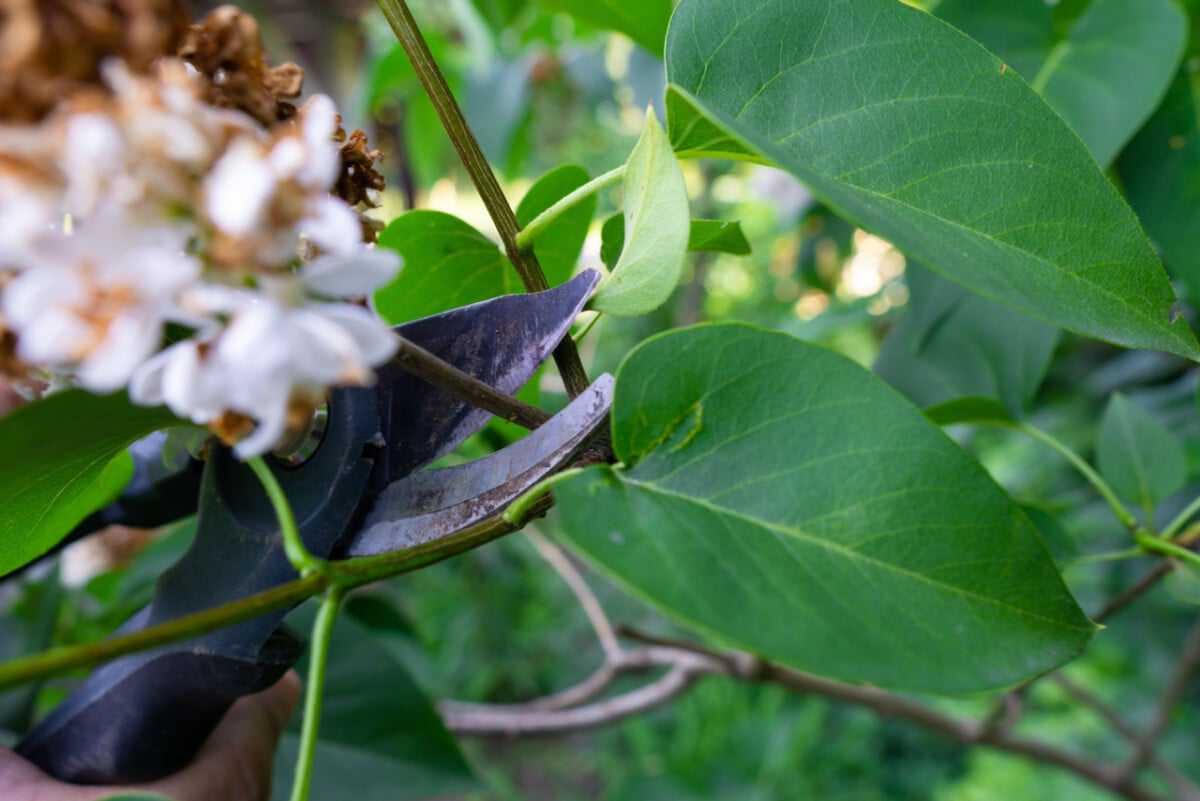
2. There are so many ways of propagating lilac shrubs.
I would classify lilac as probably one of the easiest shrubs of its size to propagate. And that’s a good thing, because I’ve noticed that flowering shrubs are one of the most expensive plants sold in garden centers in my area. I don’t know if it’s purely their popularity, their ornamental qualities or simply their hardiness that is the driver of high prices.

No need to break the bank on lilac shrubs, though. They are super easy to propagate.
If you’re a beginner, the easiest way to propagate lilac is by layering it. This is a method in which we bend a branch until it makes contact with the soil. Then, at that point of contact, we encourage the branch to form roots. Once the roots are there, we cut the propagated bit off the main plant. There are a few more tricks to it, all of which I’ve described in my guide to layering propagation.
If you have taken perennial cuttings before, then I encourage you to take lilac cuttings too.
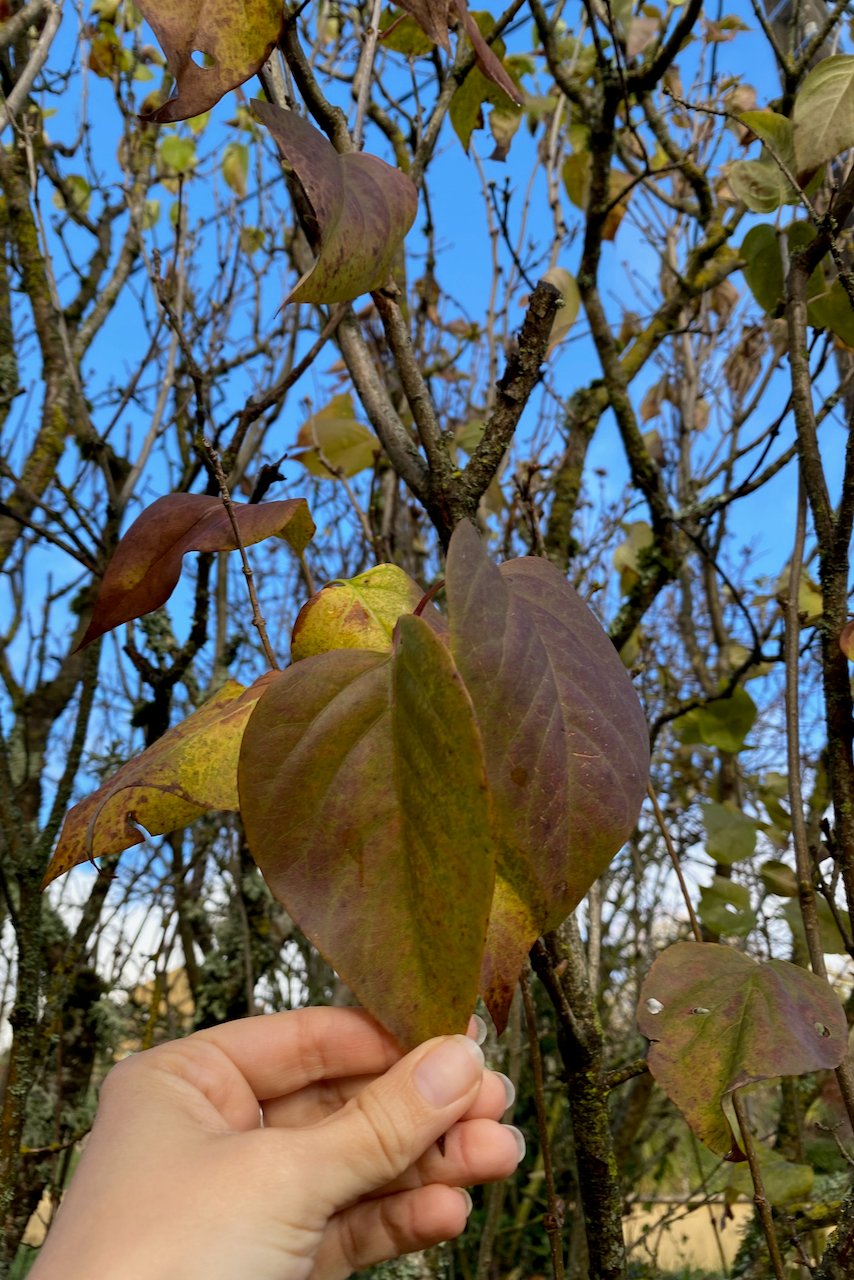
Lilacs propagate best from softwood or semi-hardwood cuttings. And the best time to take these cuttings is in late spring, right about when we prune them anyway. Here’s an article on how to propagate from softwood cuttings in May.
Finally, we can easily propagate lilacs by taking root cuttings. Yes, I wrote a guide for that, too.
3. Lilac shrubs send root suckers. We can use them!
Forget all about the propagation methods I just told you for a second!
What if there was an easier way?
If you’re the lucky owner of a mature lilac shrub, there is definitely a better way.
Older lilacs, once established, start sending root suckers. These are young shoots that start growing from the root of an established lilac shrub or tree. They shoot sideways and resurface a few feet away from the main plant.
It’s a good idea to prune these suckers close to the ground to prevent them from stealing nutrients from the main plant. However, they also offer an opportunity for free plants.

The easiest way to take advantage of this generous plant offering is to dig out the suckers and repot them. And the best time to do it is in spring, when the ground is soft. The new shoots will have plenty of time to recover and become their own plant.
Unlike all the other propagation methods, suckers already have roots.
So they’re already a few steps ahead of cuttings and even layering propagations. So we’ll get to the flowering shrub stage faster than we would with cuttings, for example.
In my new garden, I have discovered a row of suckers (pictured below) that seem to be coming from a lilac stump. It seems that the lilac shrub has been cut down, but the root is alive and trying hard to self-propagate.
In spring, I will choose a few strong ones to leave in the ground. The rest, I’ll pull out and pot up to share with other gardeners and replant in other parts of the garden.

One extra thing I should mention here. If your lilac is grafted, the sucker that you’re taking will come true to the graft root (the source of the sucker), not to the lilac you’re growing above ground. So you may even get a different color of lilac. Exciting!
4. Lilacs share a family with olives!
Now that I’ve got the super practical side out of the way, let’s get to some fun trivia.
Did you know that lilacs and olive trees belong to the same family (Oleaceae)? If you’re a botany geek, you probably think sharing a plant family is not that big a deal. Understandable, especially since it’s such a large family that also includes popular plants such as forsythia, jasmine and ash.

I think it’s a useful piece of information because it also gives us a good indication of the conditions that lilacs need to thrive.
Just like their older sibling, the olive tree, lilacs need full sun in order to reach their full potential. Yes, they will still grow in part shade, but they won’t bloom as richly.
When it comes to soil, lilacs can handle any soil, as long as it drains well. They like loamy soil, but can tolerate clay and sandy soil just as well.
5. Lilac flowers are edible.
Just like rose petals, violet flowers and calendula, lilac flowers are also edible. I think the fragrance of lilac is very hard to describe, and the taste is even harder still.
If I were to tell you that something smells like lilac, you’d probably be able to recall the scent. But if I were to tell you that it tastes like lilac, it would be much harder to describe. Think of it as a combination of floral flavor and lemon zest with hints of lavender.

I like to mix fresh lilac flowers with sugar. This gives the sugar just a little hint of lilac without being too overpowering. A sprinkle of blooms on dessert or in my pitcher of lemonade also makes for a good introduction to consuming lilac flowers.

For the more adventurous of our readers, here are a few recipes that use lilac flowers:
If you want to know even more about lilacs, I highly recommend the breathtakingly beautiful book written by Naomi Slade and photographed by Georgianna Lane. It’s called Lilacs: Beautiful Varieties for Home and Garden. The hardcover is a feast for the eyes, with more than 60 photos of different cultivars – I honestly wouldn’t know which ones to choose as my favorites.

Get the famous Rural Sprout newsletter delivered to your inbox.
Join the 50,000+ gardeners who get timely gardening tutorials, tips and tasks delivered direct to their inbox.