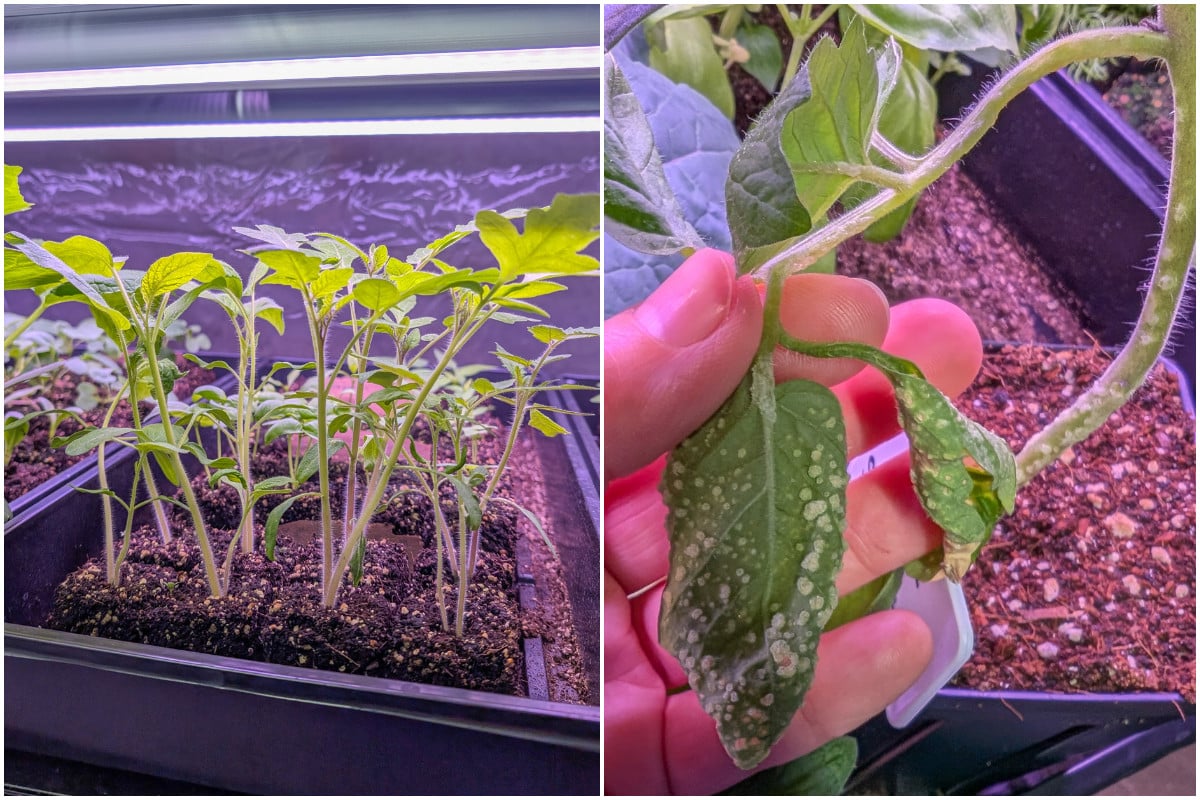
As a fellow gardener, I’m sure you know how difficult the month of January is. The holidays are over. Resolutions have been made. (Some already broken.) There’s still plenty of winter ahead, and we find ourselves suddenly in a dreary lull. That’s about the time the seed catalogs start rolling in.
The urge hits hard – we want to start playing in the dirt.
Unfortunately, for most of us, it’s too early to start anything outdoors.
So, we grab our seed packets and seed starting trays. But what you may not realize is that it’s too early to start seeds indoors, too. Yet time and again, we gardeners get ahead of ourselves and start seeds in January.
But Tracey, wouldn’t that mean we end up with larger seedlings once it is time to plant them outdoors?
Not necessarily.
In fact, starting some types of seeds too early can be more of a headache in the end.
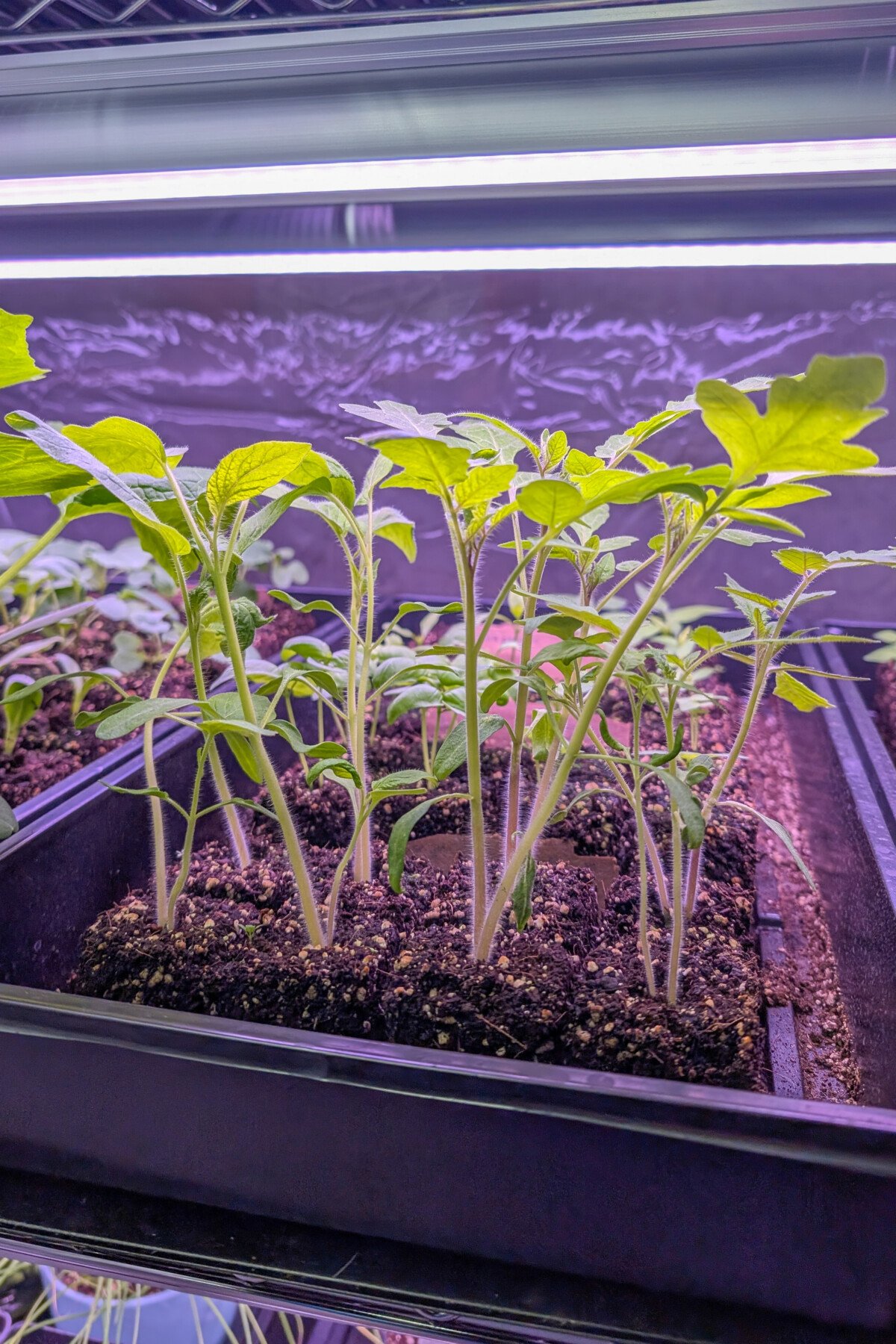
I understand the urge. I used to think that starting seeds extra early gave me a head start on the season, and that I’d be picking tomatoes long before everyone else. However, over the years, with experience, I’ve found that starting plants super early doesn’t do me or the plants any favors.
Instead, it leads to frustration, dead plants, or having to start over.
Keep reading to understand why starting seeds extra early isn’t a good practice. We’ll discuss when you should sow seeds indoors, a few outliers to this sowing early rule, and things you can do that will actually give your garden a jump start this year.
So, put that packet of seeds down, grab a cup of coffee and let’s get started.
Where Did This Practice Come From?
Growing up, my dad always kept a gardening journal. He would note the weather each day, what was doing well and what wasn’t. He would also write down, on the calendar portion of his journal, when he needed to start seeds each year. It was always sometime in March or later, depending on the plant. (For reference, I grew up in a 5b growing zone.)
Dad was an off-the-grid homesteader. There were no grow lights or heating mats, just plenty of sunny windowsills and a tiny little greenhouse. And dad always had a large and robust garden.
Even in my own early years as a gardener, I never started seeds in January or February or knew anyone who did.
I can’t be certain, but it seems like this trend grew right alongside the rise of social media.
We all began seeing more and more people posting about starting their seeds online. And as the popularity of social media grew, it seemed that we saw people starting seeds earlier and earlier each year. Suddenly, everyone began starting their seeds indoors in January and February, regardless of whether it was necessary or even helpful.
In most cases, it’s really not.
What Happens When You Start Seeds Too Early
Seedlings Are Forced to Compete for Light (Yes, even with grow lights)
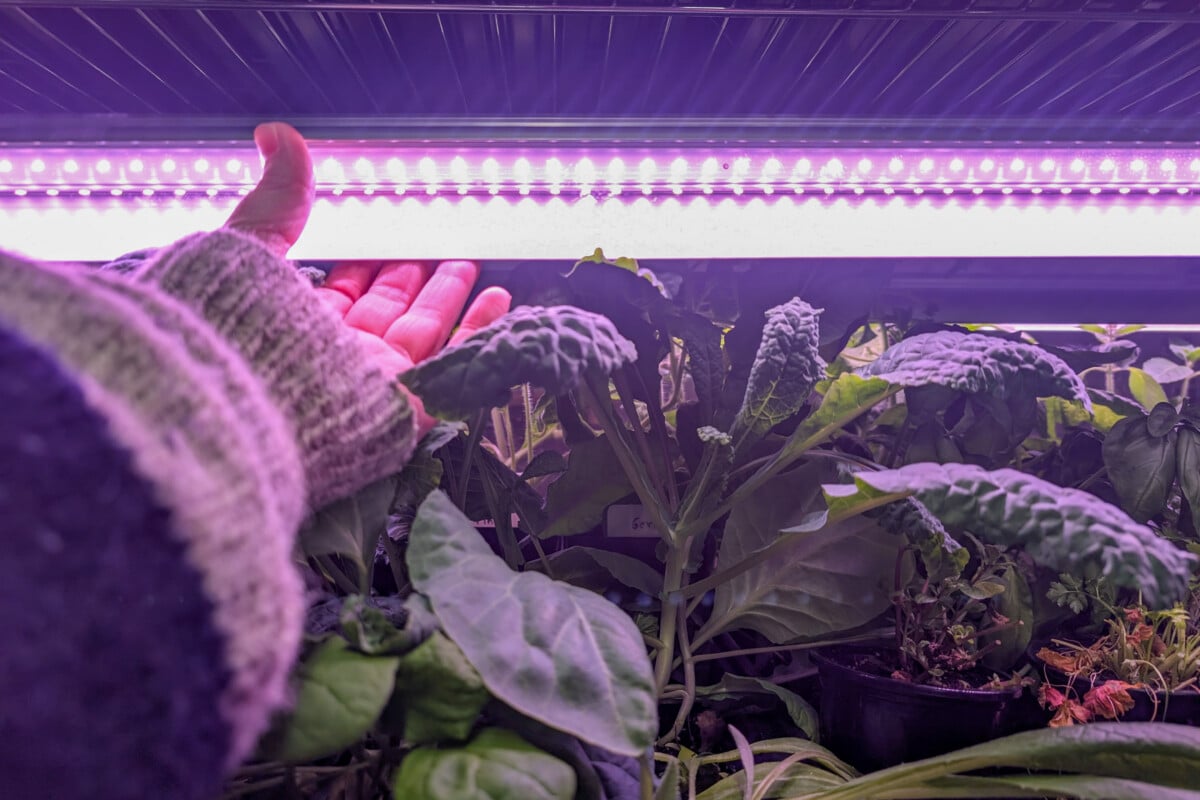
An important thing to keep in mind about seedlings is that they grow. Quickly. I know I’m stating the obvious here, but it’s something we gardeners have a habit of underestimating.
Part of the reason why we time sowing seeds indoors the way we do is so that they are at an appropriate size once it’s time to get them outside. Starting too late means we have a seedling that may not survive outdoors in the unpredictable spring weather, or that may not mature in time for your growing season. Starting too early means things start to get weird.
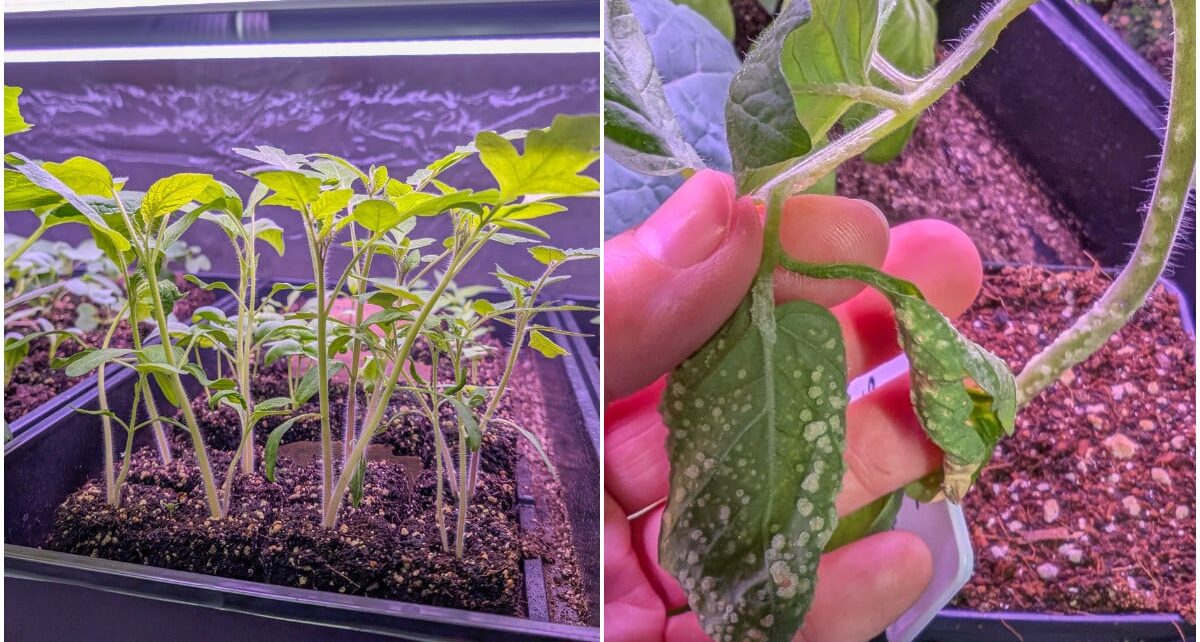
Seeds started too early become crowded in whatever space you have set aside for them, both above and below the soil in the pot. (We’ll get to below the soil soon.) This means they begin shading one another out as some plants/varieties grow faster than others.
So, what once started as an even playing field quickly becomes a competition for light, more so if you’re using a windowsill or natural light. But this is even an issue with grow lights.
Those lovely peppers you started are now being shaded by the tomatoes sitting next to them because the tomatoes grow faster than the peppers. And because you’ve still got weeks to go until you can put them outside, what started as a healthy pepper seedling will become a stunted pepper seedling by the time you can put them in the garden.
Space Becomes an Issue
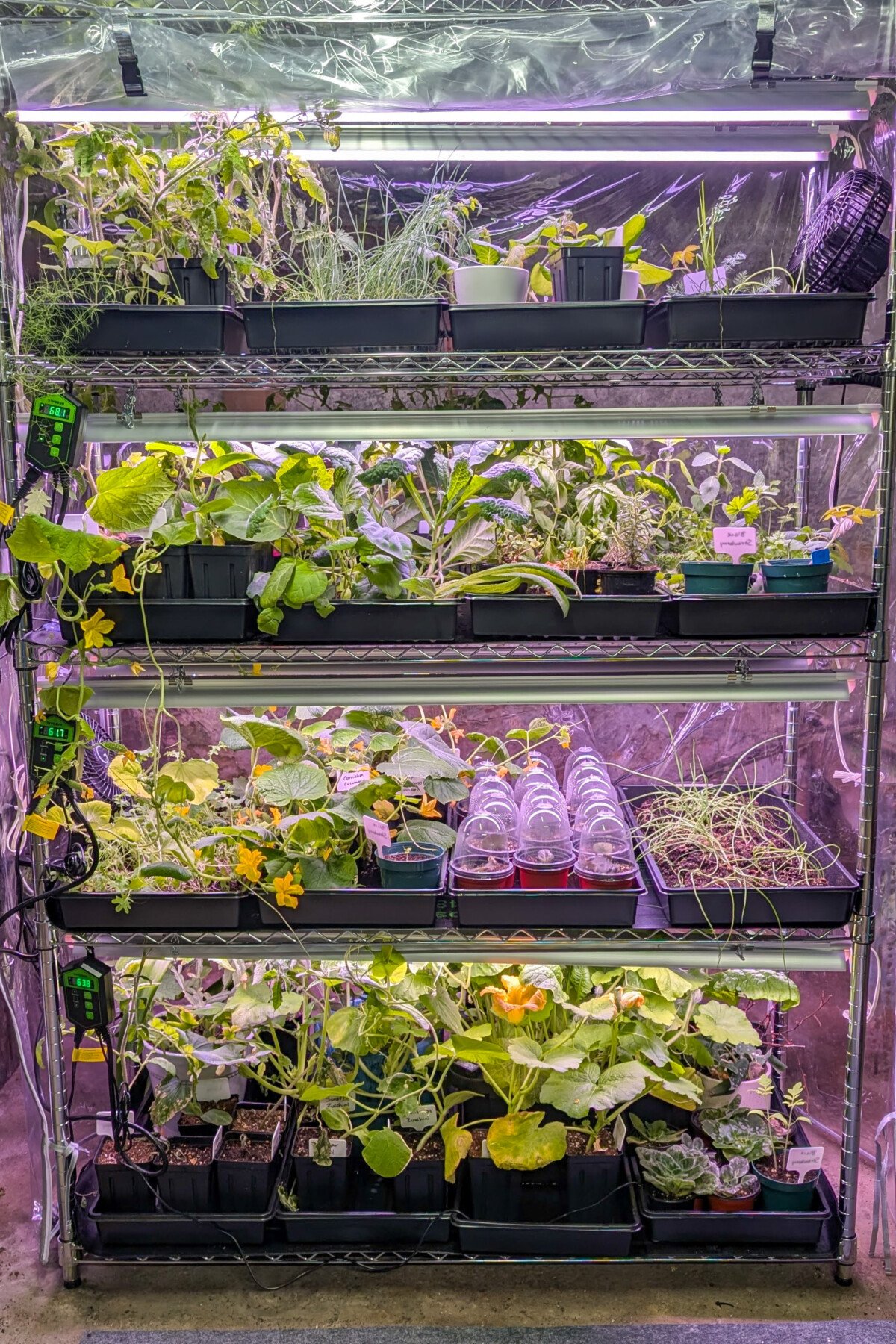
Coming back to that whole ‘seedlings grow quickly’ thing, space can become an issue if you start seedlings too early. Instead of tidy rows of healthy seedlings, you now have a jungle.
Plants begin to entwine with their neighbors, which leads to snapped stems once you go to separate them.
If you use soil blocks or seed starting trays, the roots of individual plants become entangled with their neighbors.
Not to mention, you will likely need to pot up your seedlings if you start them too early. Bigger pots mean you need more space for your plants. Starting seeds too early may result in your needing twice the space you started with to accommodate your growing seedlings while you wait for that all-important last frost date. And cramped seedlings lead to damping off and disease.
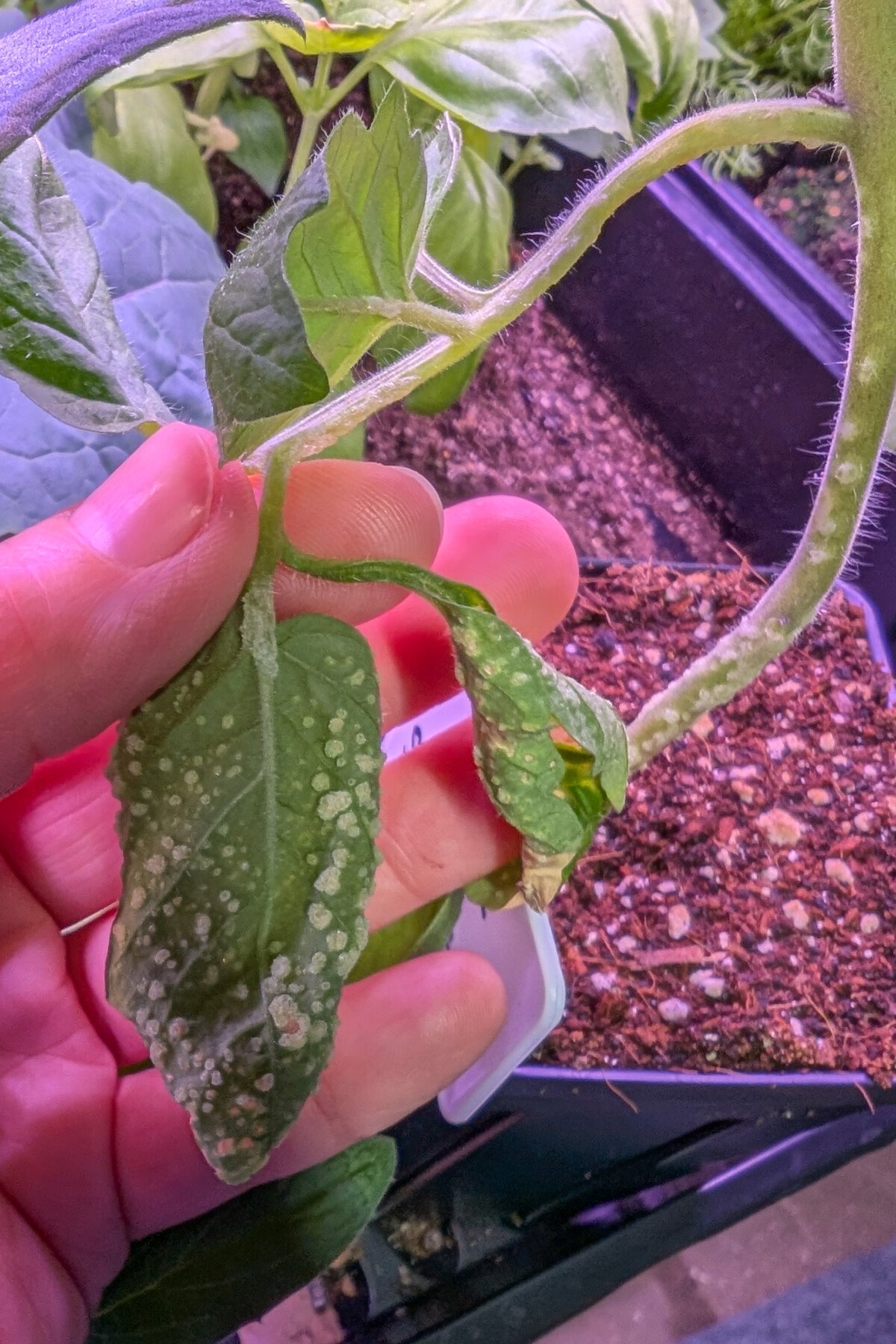
I know this one from experience. I had two years in a row where I started seedlings too early and ended up with a rainforest spilling out of my tiny little indoor greenhouse tent. It was a mess!
Starting Seeds Too Early Can Lead to Root Problems
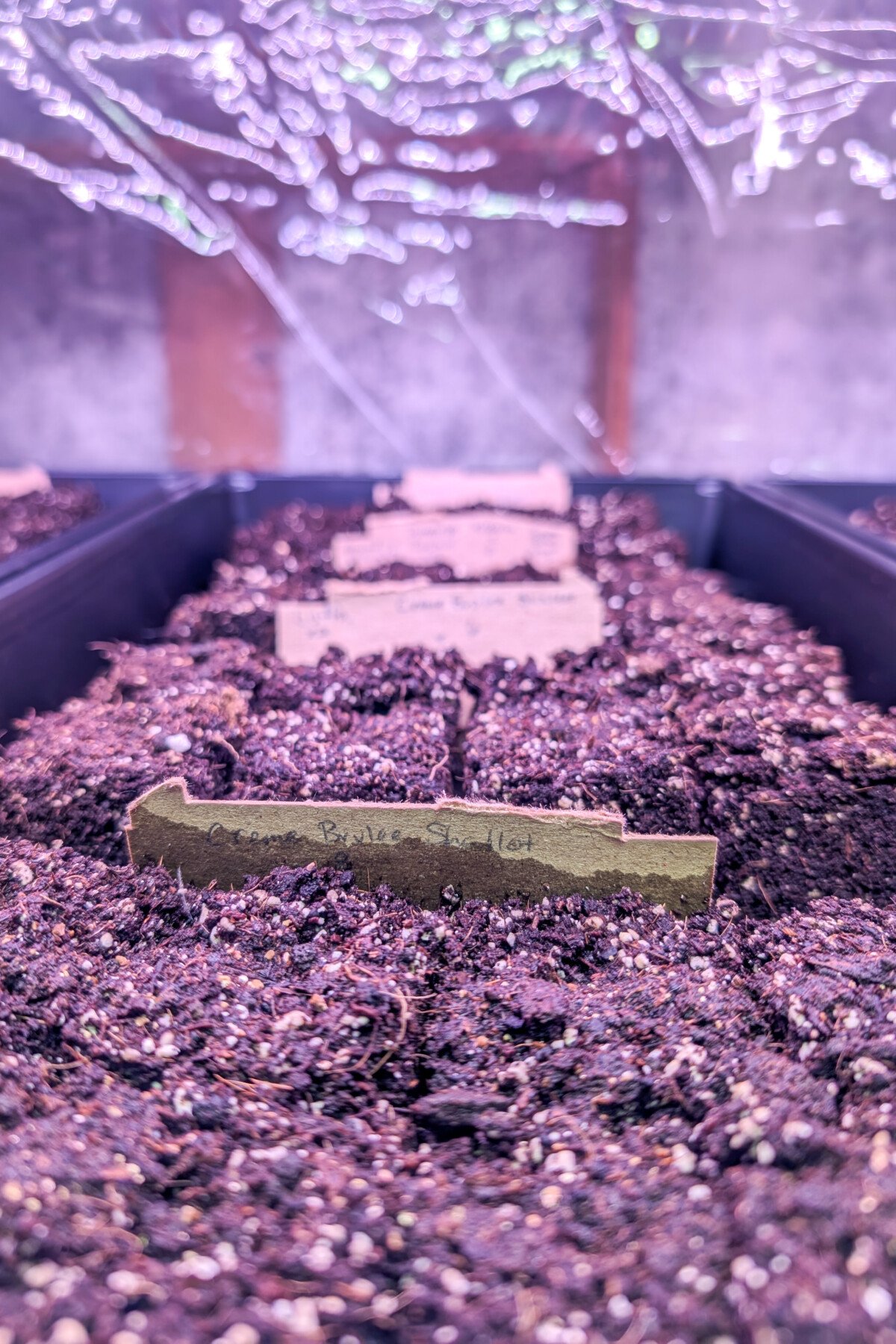
As mentioned above, the longer seedlings are confined to a tiny pot indoors, the more likely you are to encounter issues with the roots.
We all know how fast seedlings can dry out and die because they have small root systems and don’t have access to the same moisture that plants in the ground do. Starting early means you have to stay vigilant with watering for longer than necessary.
In my case, this means I’ve given myself a longer window of time to forget to water my seedlings and have to start over.
Starting seeds too early also ensures that your seedlings will be root-bound once it’s time to plant them outdoors. Root-bound plants will stop growing, which kind of defeats the purpose of starting them early. A plant will only grow above ground what it can support with the root system below ground.
Roots in seedling trays or tiny pots have a tendency to grow out of the drainage holes and to entwine with other roots. This means that if you pot up your seedlings or when it’s time to plant them, you’ll be teasing apart this snarled mess, adding to the overall transplant shock and recovery time of your seedlings.
Starting Too Early Means Potting Up Growing Pains
Depending on your chosen method for seed starting, most of us plan on potting up only once or not at all when we start seeds indoors. Unfortunately, if you start seeds too early, you may find yourself needing to pot them up more than once. If you don’t, they easily become root-bound and stop growing, or worse, become stunted. Again, this defeats the whole point of starting seedlings early.
That means more growing media is needed, larger pots, and, of course, more space for those larger pots. It can be a real pain trying to juggle it all.
What a Headache!
I hope by now, you’re beginning to see that starting your seeds too early is basically a dead-end prospect. Or at the very least, that it means a great deal more work and space are required to achieve the coveted bigger seedlings we’re hoping to get.
But I’d like to pause for a moment to remind us all of something kind of incredible about plants.
Once your seedlings have been properly hardened off and planted in the ground, they grow by leaps and bounds. Even the leggiest of seedlings, once given access to the unbounded soil, light, nutrients and water in the garden, match their hardy, store-bought peers in a couple of weeks.
No matter how great our grow setup is indoors, seedlings will always do much better outdoors.
In the end, the better aim when it comes to starting seedlings indoors would be for us to plant them so that they spend the least amount of time growing inside before we can plant them outdoors, where they can truly thrive.
To that end, we gardeners have a few cheat codes we can use to our advantage.
Things That Will Actually Help Your Plants Get a ‘Head Start’
If you’re hoping to be picking long before your neighbors or you live somewhere with a short growing season, rather than starting seeds early, look for ‘early-maturing’ varieties. This is going to be your best bet at having mature vegetables as soon as possible. Tomato lovers, there are plenty of early-maturing varieties for you to choose from.
- Amend your soil well with some quality compost before you plant your seedlings. Adding good compost improves drainage, adds organic matter to the soil, provides extra nutrients, and adds important microbes and bacteria. Adding compost is one of those things I never skip. I always see noticeably bigger and faster-growing plants when using compost. Plus, you’re improving your soil over time.
- Get your seedlings in the ground faster by using a couple of gardening “cheat codes.” The biggest drawback to starting seeds indoors early is that, unless you have a huge greenhouse, there’s only so much space and light you can provide. Eventually, your seedlings will naturally hit a growth wall, at which point they stay stunted or start getting leggy.
- Instead, work on getting them into the garden faster by warming up the soil earlier. Once planted in the soil, they will grow much faster than in your home. Use mulch to help trap heat in the soil. Cover beds with row covers to help hold in heat. Use bell jars or similar plant covers to trap heat and moisture around individual plants. Warming the soil faster and planting protected plants is the real jump start you’re looking for.
- Winter over mature plants like tomato clones and pepper plants. Planted back out in the garden next season, these plants will bounce back and start producing fruit much quicker than seedlings.
Planting At the Appropriate Time
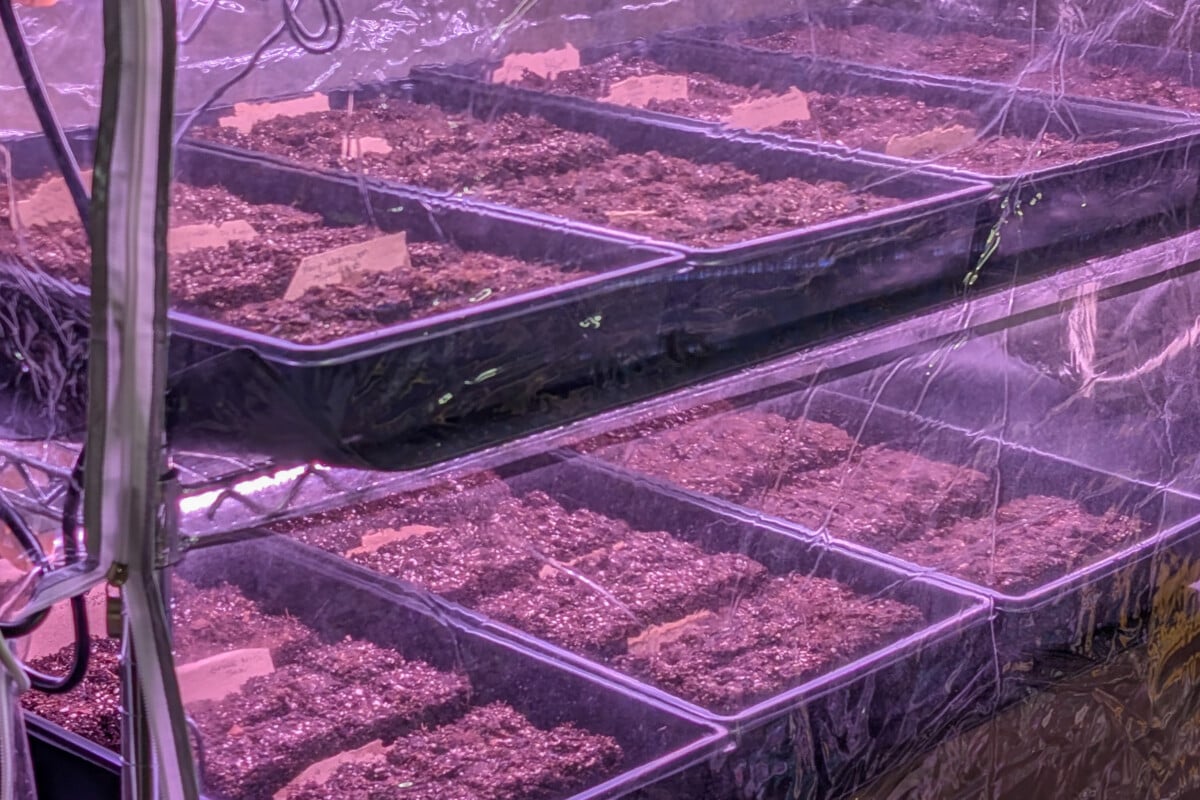
Funny enough, starting seeds at the appropriate time indoors is probably the best way to give them a good head start in your garden for all the reasons we’ve discussed.
So, how do you know when to start seeds indoors?
Always check the seed packet. This is where you will find the best seed starting information for the seeds/variety you are growing. If there isn’t seed sowing information on the packet, never buy seeds from that company again. I’m kidding. A good rule of thumb to follow is to start seeds six to eight weeks before your final frost date.
You can figure out your first and last frost dates here, then count backward . Your entire growing season revolves around these two dates.
Generally speaking, your heat-loving plants like tomatoes need to be started at the longer end of that spectrum. But for plants with delicate root systems, such as squash and cucumbers, aim for the shorter time frame. (Many cucurbits are better off direct-sown rather than started indoors. Read about those here.)
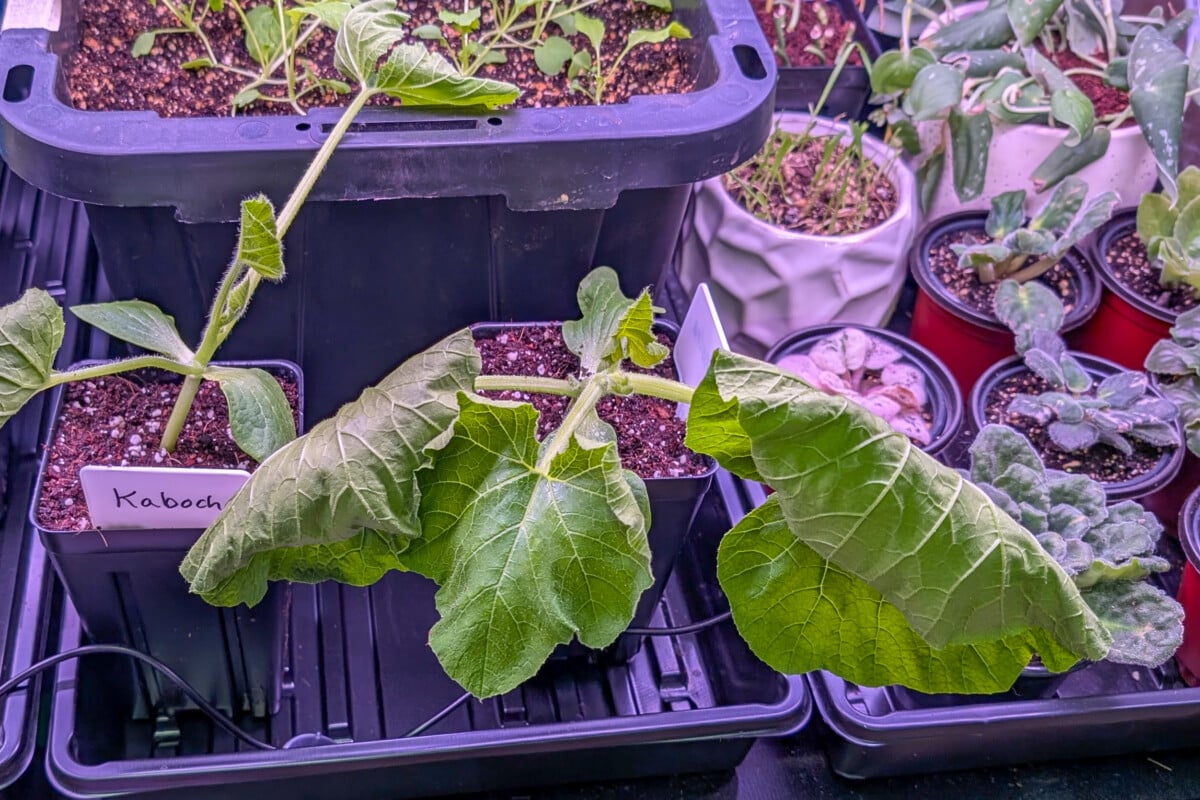
For any plants that take longer to germinate or are marked as having a low germination rate, I always, always, always do ten weeks, not because I’m trying to grow larger seedlings, but because this gives me a two-week window for errors. Cucurbits are some of the easiest seeds to germinate, so I never worry about them. For trickier seeds, I want to give myself a little bit of a buffer in case seeds don’t germinate or I lose seedlings to damping off. I still have time to start them over and give them a 6-8 week growth period before moving them outside.
Of course, like so many things when it comes to gardening, there are exceptions to the rule. For various reasons, there are a handful of plants that definitely need to be started early.
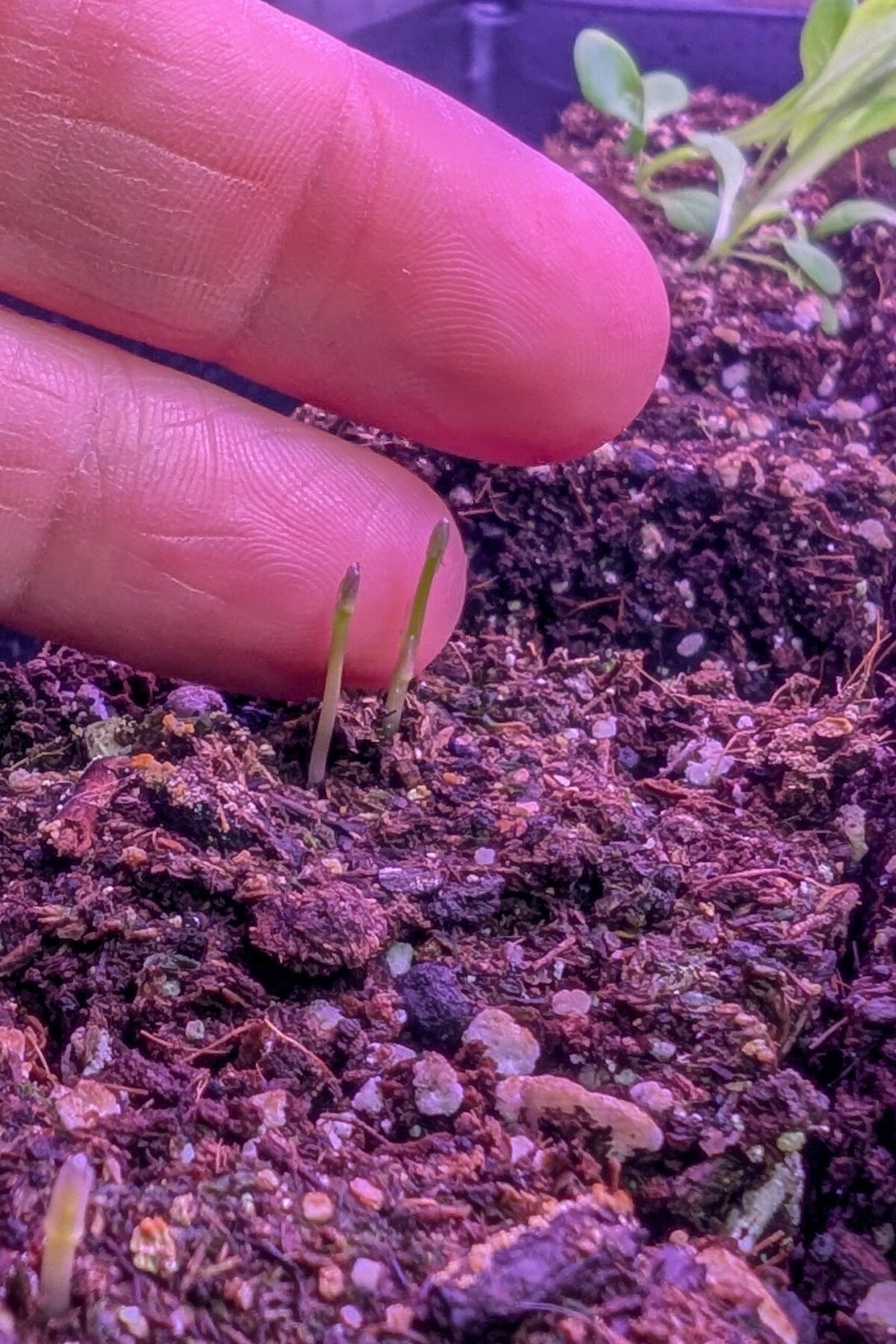
- Asparagus and artichokes are two vegetables that need to be started indoors quite early if you live in a growing zone that gets cold winters. These two vegetables should always be started in January; the earlier the better. You can read why and how to get them started here. (Now, I want stuffed artichokes for dinner.)
- Pepper seeds are notoriously finicky germinators and very slow-growing seedlings. This is especially true of hot peppers. I always start my peppers in January, mainly so that if they fail to germinate, I still have plenty of time to start over with new seeds. I would even go so far as to say you could start peppers at the end of December, but most of us tend to be pretty busy that time of year.
- In the same family as peppers, eggplant can also be tricky to germinate and grow quite slowly. These are another nightshade that it’s okay to get started early, as it’s highly unlikely they will be taking over your seedling trays.
- Finally, if you enjoy starting herbs and flowers from seed, rather than purchasing nursery starts, there are a number of each that can take forever to germinate. Start these plants quite early. Check your seed packets for germination times, but a few that really like to drag out the whole germination process are:

- Lavender
- Rosemary
- Peppermint/Mint/Spearmint
- Sage
- Thyme
- Milkweed
- Lupine
- Coneflower
- Pansies
There’s a reason most gardeners choose to purchase these plants as seedlings from the nursery, but if you’re up for the challenge, it can be incredibly rewarding to grow them from seed.
Set you and your garden up for success this growing season by starting your seeds at the right time.
You can fill those long, dreary winter hours with more productive gardening activities, like creating a detailed garden plan, planning out your succession planting schedule, cleaning and prepping your seed starting and gardening equipment.
Don’t worry, that final frost date will get here before you know it.
Get the famous Rural Sprout newsletter delivered to your inbox.
Join the 50,000+ gardeners who get timely gardening tutorials, tips and tasks delivered direct to their inbox.